
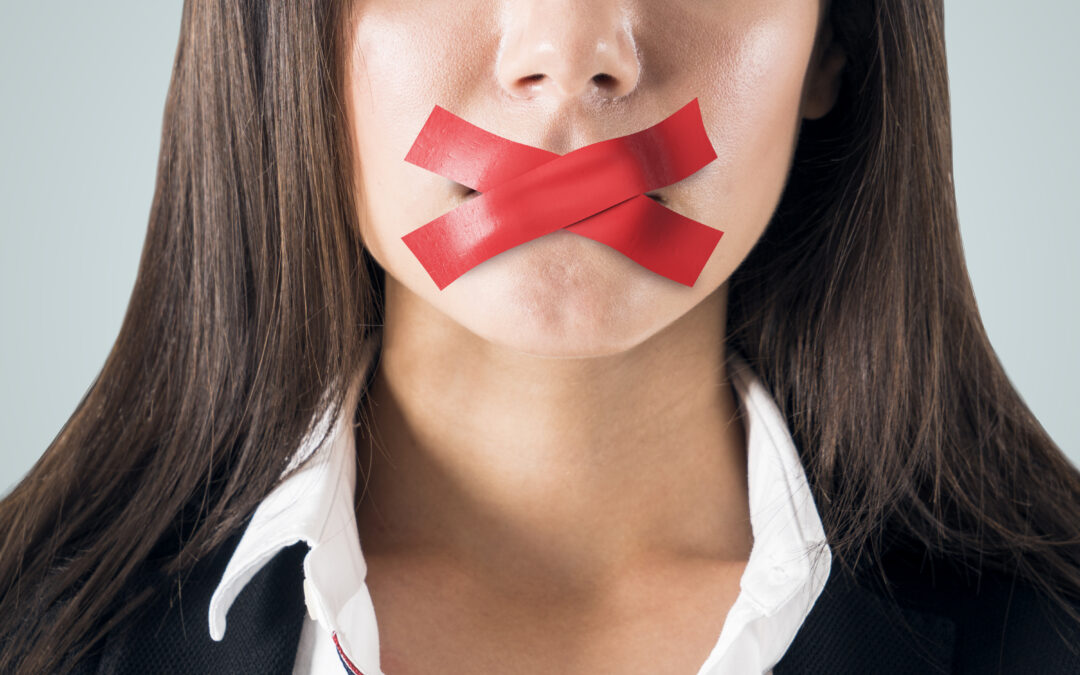
Let’s be honest, the first time most people hear about mouth taping, their reaction is somewhere between “that sounds ridiculous” and “wait, is that actually dangerous?” Sticking tape over your mouth before bed sounds like something you’d do as a prank, not a wellness habit. And yet, here we are in 2025, with sleep researchers, dentists, and a growing number of perfectly rational adults doing exactly that every night.
So what’s going on? Is mouth taping a legitimate health tool, or just another biohacking trend that’ll quietly disappear in six months?
The truth, as usual, sits somewhere in the middle, and it’s actually pretty interesting. Mouth tape is a simple, inexpensive strip of skin-safe adhesive placed over the lips before sleep. Its entire job is to keep your mouth closed so that your nose does the breathing instead. That’s it. No gadgets, no subscriptions, no complicated routines. Just tape, lips, and a good night’s sleep (hopefully).
This guide covers everything you need to know: what mouth tape is actually used for, the real benefits backed by science, who should absolutely avoid it, how to use it correctly, and whether it might genuinely help you. Whether you’re a chronic snorer, someone who wakes up with a Sahara-dry mouth every morning, or just someone who’s curious about optimising their sleep, you’re in the right place.
What Is Mouth Tape, Exactly?
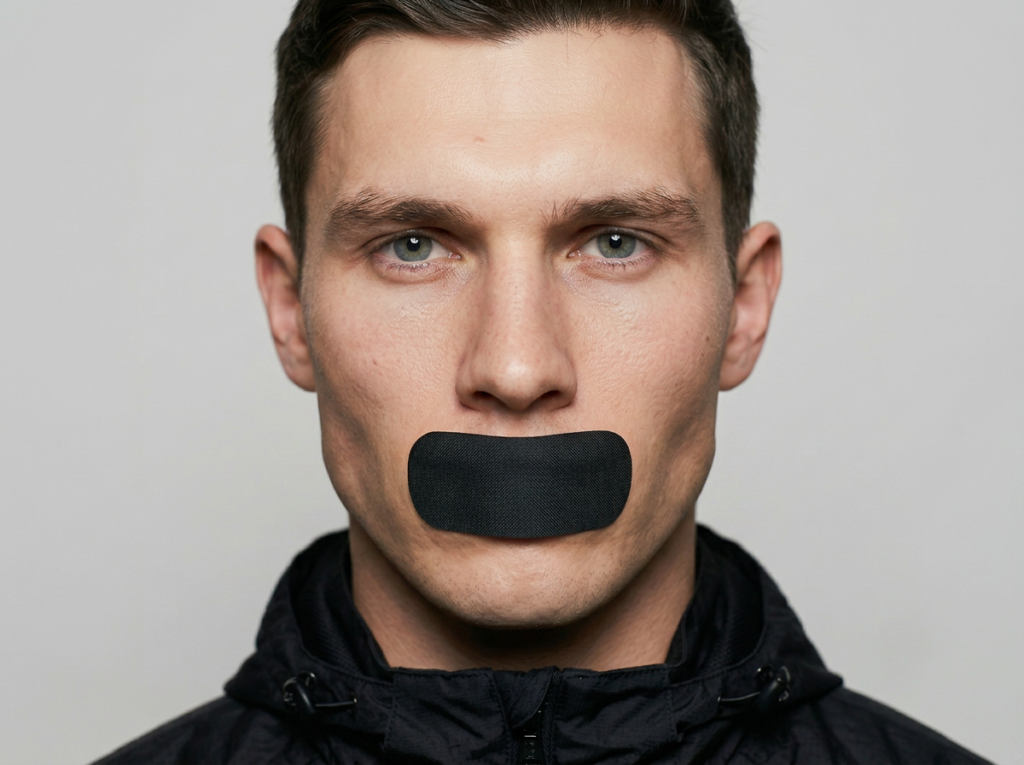
Before diving into the why, it helps to understand the what. Mouth tape is a small adhesive strip, usually made from medical-grade materials, designed to be placed gently over the lips during sleep. Unlike the tape you’d find in a junk drawer, mouth tape is specifically formulated to be skin-safe, breathable, and easy to remove without yanking the skin off your face at 7am. (Nobody wants that.)
There are a few different types available:
- Micropore surgical tape (e.g., 3M or Nexcare) – The most affordable option. It’s soft, breathable, and widely available at pharmacies. Many people start here before committing to a dedicated product.
- Purpose-built sleep tape strips – Brands like Somnifix or ONEJAW Tape make strips shaped specifically for the mouth, often with a small vent in the centre for comfort. Hypoallergenic and designed for nightly use.
- Silicone lip patches – Reusable, softer, and increasingly popular. They sit over the lips rather than adhering as firmly, which some people find less claustrophobic.
The practice itself isn’t new. Breathing retraining methods, including the Buteyko technique, developed by Ukrainian physician Konstantin Buteyko in the 1950s have long emphasised nasal breathing as foundational to good health. More recently, journalist James Nestor’s bestselling book Breath (2020) brought the concept of nasal breathing and mouth taping into mainstream consciousness, and the internet hasn’t really stopped talking about it since.
It’s worth noting upfront: mouth tape is not a medical device. It’s not a treatment for sleep apnea, and it’s not a substitute for medical care. What it is, for many people, is a surprisingly effective nudge toward a healthier breathing pattern, one that most of us have simply stopped doing correctly somewhere along the way.
What Is Mouth Tape Used For? The Main Purposes
This is the heart of it. Mouth tape has several distinct uses, and understanding each one helps you decide whether it’s something worth trying for your own situation.
1. Promoting Nasal Breathing During Sleep
This is the primary and most well-established reason people use mouth tape. When you breathe through your nose, a remarkable series of things happen that simply don’t occur with thing. Your nose filters incoming air, removing dust, allergens, and pathogens. It humidifies and warms the air before it reaches your lungs. And here’s the detail that often surprises people your nasal passages produce nitric oxide, a molecule that helps dilate blood vessels and improves oxygen delivery throughout the body.
Mouth breathing bypasses all of that. Air goes in cold, dry, unfiltered, and without the nitric oxide boost. Over a full night’s sleep seven or eight hours of suboptimal breathing that adds up to a meaningful physiological difference.
The problem is that most people don’t realise they’re mouth breathing at night. You’re asleep; you’re not monitoring yourself. Mouth tape acts as a passive, physical reminder. Your lips stay together, your nose is encouraged to do its job, and your body quietly benefits while you dream about whatever it is you dream about.
Real-life example: imagine someone who consistently wakes up congested and assumes they have allergies. A surprisingly common culprit is habitual mouth breathing the dry air irritates nasal passages, which then swell in response. Switching to nasal breathing (encouraged by mouth tape) often resolves the congestion within a week or two, not because anything medical changed, but because the nose was finally being used properly.
2. Reducing Snoring
Snoring is caused by the vibration of soft tissue in the upper airway, the soft palate, the uvula, the back of the throat. When you breathe through your mouth while sleeping, the jaw drops, the tongue falls back slightly, and the airway narrows. Vibration follows. Snoring follows.
By keeping the mouth closed, mouth tape changes the geometry of the airway. Air flows through the nose, which naturally creates a more open and stable pathway. For mild-to-moderate snorers whose snoring is driven primarily by mouth breathing (rather than structural issues), this can make a genuine difference.
A small but notable 2022 pilot study published in the Journal of Clinical Sleep Medicine found that mouth taping reduced snoring frequency and improved sleep-disordered breathing in participants with mild sleep apnea and habitual mouth breathing. The effect wasn’t dramatic, but it was real and measurable.
The crucial caveat: snoring is not always benign. Loud, persistent snoring, especially when accompanied by gasping, choking, or excessive daytime fatigue, can be a symptom of obstructive sleep apnea (OSA), a serious condition that requires proper diagnosis and treatment, not tape. If you suspect OSA, see a doctor first. Mouth tape is not a treatment for sleep apnea.
3. Improving Sleep Quality
Sleep quality and breathing quality are deeply connected. When nasal breathing is maintained throughout the night, oxygen saturation tends to be more consistent. The body spends less energy managing disrupted airflow. Sleep architecture, the balance of light sleep, deep sleep, and REM, is less likely to be fragmented by micro-arousals caused by breathing irregularities.
Many mouth tape users report waking up feeling noticeably more rested, even if their total sleep duration hasn’t changed. This is the subjective experience that’s hardest to measure in studies but is reported consistently enough to take seriously. Anecdote isn’t evidence, of course, but when thousands of people report the same outcome, it at least points a direction worth investigating.
If you want to track this yourself, a wearable like an Oura ring or a sleep tracking app can give you data on sleep stages and overnight oxygen levels. It’s one of the more satisfying ways to actually see the impact of a habit change.
4. Addressing Dry Mouth and Bad Breath
Ah, morning breath. We’ve all experienced it; most of us have blamed it on whatever we ate the night before. But a significant cause of bad breath (halitosis) and dry mouth is actually breathing through the mouth at nighttime.
Here’s why: saliva is the mouth’s natural defence system. It neutralises acid, washes away bacteria, and maintains the moist environment that oral health depends on. When you breathe through your mouth for eight hours, saliva evaporates. Bacteria that thrive in dry, anaerobic conditions, particularly the sulphur-producing kind responsible for bad breath, multiply unchecked. You wake up with a dry, sticky mouth and breath that could peel wallpaper.
Mouth tape keeps the lips sealed, which maintains the humid oral environment that saliva requires. Many users report that their morning breath improves noticeably within a week, and their need for water immediately upon waking decreases. Dentists, particularly those who work in the space of airway dentistry, increasingly recommend mouth taping to patients presenting with chronic dry mouth and associated dental issues like cavity risk and gum sensitivity.
5. Supporting Dental and Oral Health
The connection between mouth breathing and dental health runs deeper than dry mouth. Chronic mouth breathers, especially children, can develop what’s sometimes called “mouth breather face”: a longer, narrower facial structure, high-arched palate, and increased likelihood of misaligned teeth. This isn’t a cosmetic concern; it reflects genuine structural changes driven by how the musculature of the face is being used (or not used) during developmental years.
In adults, the structural damage is done, but the functional consequences remain. Mouth breathing leads to a lower tongue posture, which reduces the natural pressure that keeps teeth aligned. It contributes to gum recession, increased cavity risk due to acid from dry mouth, and greater susceptibility to infections.
Mouth taping may not reverse any of this, let’s be clear. But as a supportive habit, particularly alongside orthodontic treatment or myofunctional therapy, it helps the body maintain the nasal breathing pattern that oral health depends on.
6. Stress Reduction and Breathing Pattern Improvement
This one’s a bit more niche but worth mentioning. Nasal breathing activates the parasympathetic nervous system, the “rest and digest” branch, more effectively than mouth breathing. Slow nasal breathing has measurable effects on heart rate variability (HRV), cortisol levels, and perceived stress.
Some practitioners in the breathwork and performance communities use mouth tape during light exercise, meditation, or focused work to train the body toward a calmer, more efficient breathing pattern throughout the day. This isn’t primarily about sleep, it’s about building the habit of nasal breathing as a default setting.
Potential Risks and Who Should Avoid Mouth Taping
No honest guide skips this section, and this one won’t either.
When Mouth Taping Is Not Safe
Mouth tape is not appropriate for everyone. The following groups should not use it without explicit guidance from a medical professional:
- People with diagnosed or suspected sleep apnea – Mouth tape is not a treatment for OSA and can potentially make episodes worse by altering airway dynamics. If you snore loudly, stop breathing during sleep, or wake up gasping, get a sleep study done before experimenting with tape.
- Anyone with chronic nasal congestion or a deviated septum – If you physically cannot breathe through your nose reliably, mouth tape poses a real risk. Address the underlying nasal issue first.
- People with skin adhesive allergies – Test first, always.
- Children – Do not use mouth tape on children without a paediatrician or paediatric ENT’s guidance.
- Pregnant women – Consult your doctor before trying anything new that affects breathing during pregnancy.
- Anyone with anxiety or panic disorder – Some people experience heightened anxiety from the sensation of having their mouth restricted. This is a legitimate response and worth respecting.
Side Effects to Watch For
Most side effects are mild: slight skin irritation around the lips, discomfort for the first few nights, or the tape simply falling off (which is harmless, just ineffective). In rare cases, if the nose becomes blocked during the night – due to a cold, allergies, or positional congestion – and the tape holds, the situation could become distressing. This is why clearing nasal passages beforehand is so important.
What the Research Actually Says
Let’s be genuinely honest: the clinical evidence on mouth taping specifically is limited. Most of the published research is small, short-term, or focused on specific populations. The 2022 Journal of Clinical Sleep Medicine pilot study is promising but not definitive. The broader science on nasal breathing benefits, nitric oxide production, parasympathetic activation, improved oxygen delivery, is well-established and robust. It’s reasonable to extrapolate that tools encouraging nasal breathing may carry those benefits. But “reasonable extrapolation” and “proven clinical effect” are different things, and any guide that doesn’t acknowledge that gap is overselling the evidence.
The good news: for healthy adults with clear nasal passages, mouth tape carries very low risk and very low cost. Trying it for two weeks and tracking your own results is a perfectly rational approach.
Mouth Tape for Specific Situations
Mouth Taping for Snoring
If your snoring is mild and your bed partner is starting to look at the sofa with longing eyes, mouth tape could be a reasonable first step to try. It addresses the most common mechanical cause of snoring, the open mouth, without any invasive intervention. If snoring persists despite consistent tape use, or if it’s accompanied by other symptoms like daytime fatigue or witnessed apneas, a sleep study is the next step.
Mouth Taping for Kids
Children are actually more prone to habitual mouth breathing than adults, often driven by enlarged tonsils or adenoids, allergies, or chronic colds. The consequences during development are more significant, including the facial structural changes mentioned earlier. However, this is absolutely not a DIY area. A paediatrician, paediatric ENT, or myofunctional therapist should be involved in any treatment plan for a child who is a habitual mouth breather. See our product for children here.
Mouth Taping and Athletes
Some athletes and fitness enthusiasts use mouth tape during sleep as part of a broader recovery optimisation strategy. The theory is that better overnight nasal breathing supports higher oxygen saturation and deeper sleep, which translates to better physical recovery. Brands like Hostage Tape and ONEJAW market heavily to this demographic. The logic is sound even if the specific athletic performance data is still thin, athletes tend to use nasal strips too.
Conclusion
Mouth tape is one of those rare wellness tools that is simultaneously very simple and genuinely useful, at least for the right people. If you’re a healthy adult who wakes up with a dry mouth, snores mildly, or simply wants to explore better sleep hygiene, it’s a low-cost, low-risk experiment worth trying.
It’s not magic. It’s not a cure for sleep apnea. It’s not going to undo decades of poor sleep in a week. But for the subset of people whose sleep is being undermined by habitual mouth breathing, it can make a noticeable difference, and that’s saying quite a lot for something that costs a few pounds or dollars.
Start cautiously. Use skin-safe tape. Make sure your nose works. Give it at least a week before deciding. And if in doubt, talk to your doctor before experimenting, especially if you have any existing respiratory or sleep conditions. Your health isn’t a place to cut corners, even for something as small as a strip of tape.